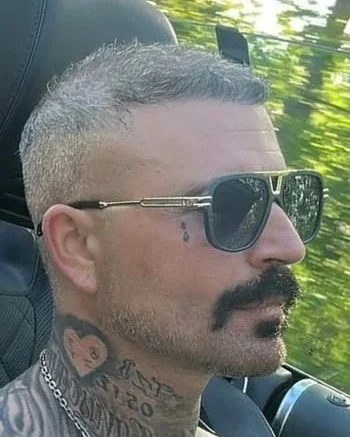
Man smiling in a convertible by the Bosphorus in Istanbul
2026Swedish
Technology

Safir FUE or DHI + Selenium®
Up to 3 Hairs from a Single Root!

Selenium®

Fuller, Denser-Looking Hair.

Before hair transplantAfter hair transplantBeforeAfter

Turkey’s Best Customer ExperienceOur guest satisfaction rate is 9.7 out of 10!

Award trophy
Before hair transplantAfter hair transplantBeforeAfter

Turkey’s Best Customer ExperienceOur guest satisfaction rate is 9.7 out of 10!

Award trophy
Doctor holding a clipboard
FUE or DHI?

Not sure which one fits you?

Leave your number and we'll call you.

We'll call you

Free Hair Analysis

A specialist calls you back.

Before and after

Results from our patients, photographed before and after their procedure.

4questions

Free hair analysis

Which Hair Transplant Technique Suits You?

Free

Hair Analysis

Four short steps. A specialist reviews your answers and calls you back.

  1. 1Step 1
  2. 2Step 2
  3. 3Step 3
  4. 4Step 4
Gender

What our patients say

Words from people who had their treatment with us.

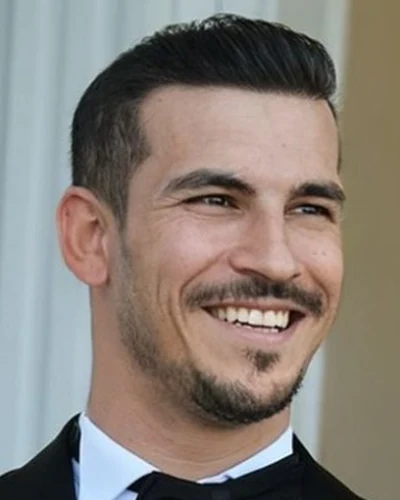
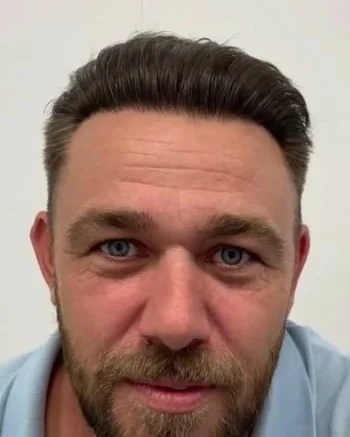
Andre J. after hair transplant
Andre J.Verified patientGermanyHair transplant patient

I had a hair transplant. To be honest, I did a lot of research before deciding, and I chose Selenium support as well. They explained everything I was curious about before the procedure; knowing what would be done was important to me. For now I'm carrying on with my daily life and following the aftercare advice.

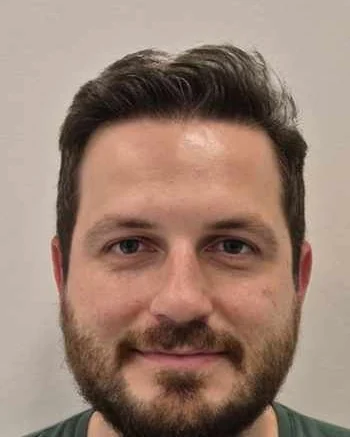
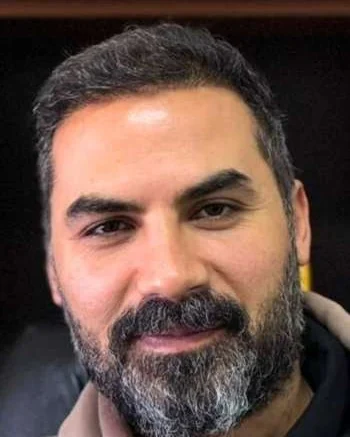
Daniel K. after hair transplant
Daniel K.Verified patientFranceHair transplant patient

I was a bit hesitant before, because it was the first time I was having a procedure like this. Then I made up my mind and had my hair transplant. I also got information about the Selenium application and added it to my package. Overall, the process was more comfortable than I expected.

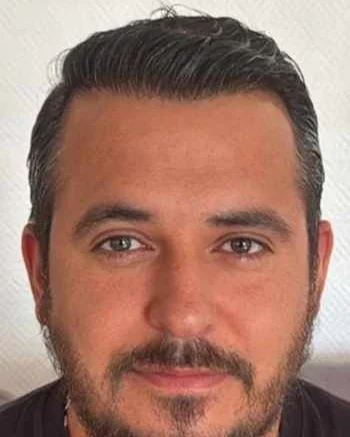
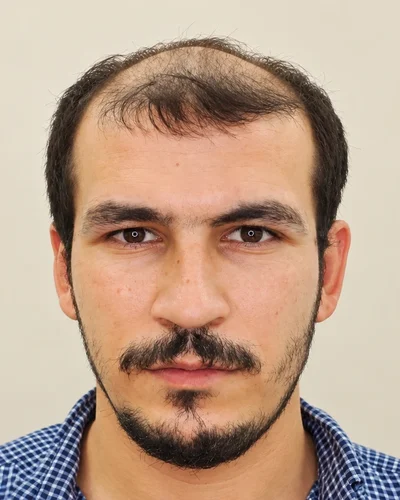
Hakan H. after hair transplant
Hakan H.Verified patientTurkeyHair transplant patient

Thank you, Ms Fatma 🙏 She was really helpful; I asked about everything on my mind and she answered patiently. When you make a decision like this, you want to know the details. I felt comfortable with the communication, and thank you also for your care.

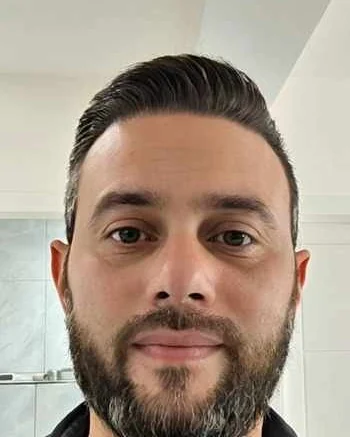
Edi U. after hair transplant
Edi U.Verified patientRussiaHair transplant patient

I was curious about the Selenium application, so I researched it and asked about it specifically. I chose this support together with my hair transplant. Before the procedure I got information about the options and made my decision accordingly. What mattered to me was knowing what I was having done, and the consultation explained it clearly.

Paul D. after hair transplant
Paul D.Verified patientUnited KingdomHair transplant patient

Thanks to Mr Savaş, who looked after me before and after the procedure. He explained what I needed to do for aftercare after the hair transplant, and I asked about everything on my mind. I think communication matters in things like this; when you know what to watch out for, you feel more at ease.

Eric T. after hair transplant
Eric T.Verified patientUnited StatesHair transplant patient

Deciding to have a hair transplant was not easy for me; I did a lot of research and looked at different options. In the end I made my decision and chose Selenium support too. Right now I'm careful with my aftercare routine. Personally, I'm happy I made this decision, because I got the look I wanted.

Key facts

Hair transplant at a glance

The key facts in one place.

  • Total treatment time

    2–3 days

  • Operation time

    6–10 hours

  • Anaesthesia

    Local, with sedation if suitable

  • Final result

    After 7 months

  • Techniques

    FUE, DHI, Sapphire, Selenium®

  • Who can have it

    Healthy adults over 18

  • Risks

    Temporary swelling or redness; discussed with your doctor

  • Recovery time

    2 days

Advanced Hair Transplant Techniques

Choose the technique that suits you, and add Selenium® to any of them.

Most preferred

Sapphire FUE

Follicles are taken one by one (FUE) and placed into small channels opened with sapphire blades.

+ Selenium®Every technique can be combined with Selenium® support: up to 3 hairs from a single root, for fuller, denser-looking hair.

Inside the Operating Room

A look at our team during a hair transplant. Tap a photo to see it full size.

4 procedures

Hair and Facial Hair Transplant Procedures

Four procedures for scalp, beard, moustache and eyebrows.

Hair transplant

Hair Transplant: A Complete Guide to FUE, DHI and Sapphire

Updated

Doctor at MedicaJoy

A hair transplant is a surgical procedure considered for people whose hair has thinned or left open areas because of hair loss. The person's own hair follicles are moved to the bald areas, with the aim of a result close to a natural look. Although a hair transplant is a small operation, it needs a medical assessment and proper surgical conditions, so it should be done by experienced health professionals in a licensed health facility. The plan is made for each person; the goal is a hairline and density that suit the face.

What is a hair transplant?

A hair transplant moves a person's own healthy follicles to areas where follicles are gone or the hair has clearly thinned. It aims to create a more balanced, natural-looking head of hair for people with hair loss. The follicles are usually taken from the back of the head, where they are more resistant to shedding, and moved to bald or thin areas. When the plan is made, the hairline, the hair type, the capacity of the donor area and the person's expectations are all considered together.

Because it is surgery, a hair transplant needs proper health conditions and an experienced team. Before the procedure, the cause of the hair loss, the person's general health and the number of follicles that can be taken from the donor area are assessed. The aim is a look that suits the person's features and does not make it obvious that a transplant was done.

The plan may use FUE to collect the follicles, then place the grafts with a DHI implanter pen or into channels opened with sapphire blades.

Why is a hair transplant done?

Hair loss is common in both women and men. Genetics, ageing, hormone changes, stress, diet and some illnesses can make hair thinner or make it fall out. Because lower density can affect appearance, some people consider a hair transplant as an aesthetic option. The right method is chosen after the cause of the loss and the person's health have been assessed.

Androgenetic alopecia

Androgenetic alopecia is hair loss linked to genetic tendency and sensitivity to androgen hormones. In men it usually shows as a receding hairline at the temples and thinning on the crown; how it progresses differs from person to person.

Female pattern hair loss

Female pattern hair loss usually shows as lower density and thinning across the whole head. The underlying cause needs to be investigated before the right approach can be chosen.

Hair loss after injury

For permanent hair loss after a burn, an accident or surgery, a hair transplant may be considered for people who meet the right conditions. The tissue in the affected area and the adequacy of the donor area are examined before deciding.

Hair loss linked to illness

Some skin diseases and autoimmune conditions can cause hair loss in certain areas. In these cases, bringing the illness under control comes first; a transplant is planned only if a specialist finds it suitable.

Cosmetic reasons

People who want to reshape the hairline, reduce thinning in certain areas or increase density may consider a hair transplant. Realistic expectations and enough donor follicles are important in the decision.

The basic idea of a hair transplant is to move the person's own follicles to areas where hair has thinned or fallen out. How the transplanted follicles develop can vary with personal factors, health and the conditions of the procedure.

How is a hair transplant done?

Before the transplant, the scalp and donor area are examined, the hairline is designed and the number of grafts that may be needed is set. A graft is a follicular unit that can contain one or more hairs. The number of grafts depends on how widespread the hair loss is, the density aimed for and the capacity of the donor area.

If the back of the head does not have enough suitable follicles, other donor areas such as the beard may be considered in selected patients. How long the procedure takes depends on the size of the area and the number of grafts. Large areas may need more than one session; the session plan is made by the doctor.

Collecting follicles with FUE and placing them with DHI or the sapphire technique is usually done under local anaesthesia. Sedation may also be considered where suitable. At the end, a dressing or bandage may be put on the donor area, and the patient is told about medication and care at home.

When the bandage comes off and when the first wash happens depend on the clinic's protocol and the person's situation. Returning to daily life also depends on the scope of the procedure. Crusting, redness or tenderness may appear in the first days, so the care instructions should be followed.

Which hair transplant methods are there?

In hair transplantation, FUE describes removing follicles one by one from the donor area. These follicles can then be implanted directly with a DHI implanter pen or placed into channels opened with sapphire blades. DHI may allow an unshaven or partly shaven procedure for some people, but it may not suit every patient or every graft count.

The donor area is usually the band from behind the ears to the back of the head, where follicles are more resistant to shedding. Hair colour, thickness, whether it is straight or wavy, and whether follicles hold one or several hairs can affect the result. The method is chosen by looking at the hair and scalp analysis together with the person's priorities.

With sapphire blades, the channels for the grafts are opened first and the follicles are then moved into them. With DHI, the grafts are placed directly into the area with an implanter pen. FUE can be used to collect the follicles in both approaches, so FUE mainly refers to the way follicles are collected.

What is DHI hair transplantation?

DHI is the technique in which collected follicles are placed directly into the transplant area with special implanter pens. The follicles are usually collected one by one from the donor area with FUE, loaded into suitable pens and moved to the planned area.

In DHI, grafts can be placed with the implanter pen without a separate channel-opening step. In some cases where density needs to be added between existing hair, it may offer an unshaven or partly shaven option. Whether it suits you depends on your hair, the number of grafts needed and a specialist's assessment; bleeding and healing time differ from person to person.

Before a DHI transplant, the scalp and donor area are assessed. This sets the hair type, the extent of the loss, the size of the area and the number of grafts that can be taken. Where needed, photos or digital analysis tools are used to prepare a personal plan.

Once planning is done, the transplant area is marked and the hair may be shortened where needed. The donor area is usually numbed with local anaesthesia, then the follicles are taken with micro tools. The grafts are kept in suitable conditions throughout and prepared for implantation.

When collection is complete, local anaesthesia is also given to the transplant area. The grafts are loaded into the implanter pen and placed following the natural direction and angle of the hair and the planned hairline. The order of placement depends on the area and the design.

The aim of DHI is to place follicles so they blend with existing hair. The need for shaving and how long crusting lasts vary by person. Protecting the area, not forcing crusts off and following the doctor's care advice matter for healing.

Transplanted hair grows in stages. Some people have temporary shock shedding in the first weeks; new hair usually starts within a few months. Judging the result needs a longer follow-up, and growth speed differs from person to person.

What is FUE hair transplantation?

FUE removes follicles one by one from the donor area with small micro tools. Unlike FUT, it does not need a long strip of skin to be removed. Collecting follicles at even intervals helps protect the look of the donor area. It is usually done under local anaesthesia.

The number of grafts that can be taken in one session depends on the donor capacity, the follicle structure and the size of the area. During implantation, the natural direction and angle of the hair are followed to aim for a look that matches the person's existing hair.

After collection and implantation, suitable dressings are applied and the patient is given care advice. How the transplanted follicles develop can vary with the person and with aftercare.

After FUE or DHI, some people have temporary hair loss known as shock shedding. This alone does not mean the procedure failed. New hair usually starts within a few months; follow the recommended check-ups to judge density and the result.

The visible result develops over months, and the final look can take longer for some people. Growth speed and density depend on the area and the person's hair.

Donor follicles are usually chosen because they are more resistant to shedding. Even so, existing hair in the transplant area that was not moved may keep falling out; the long-term look varies by person.

What are the advantages of FUE?

In FUE, follicles are removed one at a time with small micro tools, so there is no long incision line or stitches as with FUT. Healing time still varies, and it cannot be guaranteed that small marks will be completely invisible.

Graft transfer can be planned to suit the transplant area while keeping the donor capacity in mind. Safe, balanced collection is important to protect the look of the donor area.

Controlled, balanced collection helps the donor area keep a natural look. If donor capacity allows, any extra sessions needed later can be reassessed by the doctor.

How is a hair transplant done for men?

One of the most common causes of hair loss in men is androgenetic alopecia, linked to genetic tendency. A hair transplant aims to move the person's own healthy follicles to thinning or bald areas. Before the procedure, the type of hair loss, the adequacy of the donor area and the person's expectations are assessed.

Planning

The assessment looks at the hair structure, how the loss is spread and whether the donor area is suitable. The hairline is designed around the face and the person's natural hair border. The number of grafts and the area are set with both the aesthetic goal and protection of the donor area in mind.

Preparing the donor area and collecting grafts

The procedure is usually done under local anaesthesia. Follicles from the back of the head, which are more resistant to shedding, are usually preferred. The number and spread of follicles taken should be planned so the donor area is not thinned too much.

Opening channels and implanting the grafts

With the sapphire technique, small channels are opened in the transplant area and the grafts are placed into them. The direction and angle of the channels are key to a natural look. With DHI, follicles are moved directly into the area with an implanter pen.

Aftercare and healing

After the procedure, short-term redness, crusting or tenderness may appear in the transplant area. All care steps, including washing and medication, should follow the doctor's instructions. Temporary shedding may happen in the first weeks; how new hair grows and how clear the result becomes varies by person.

Done with proper planning and in proper health conditions, a hair transplant aims for a natural look. As the result depends on personal factors, expectations, limits and possible risks should be discussed with a specialist beforehand.

How is a hair transplant done for women?

Hair loss in women can be linked to genetics, hormone changes, thyroid problems, stress, iron or other nutrient deficiencies, some medicines and autoimmune diseases. While men more often have open areas in specific places, women may have overall thinning, a receding hairline or thinning on the crown.

For women, a hair transplant is planned personally after assessing the pattern and cause of the loss. The basic approach is to move the person's own healthy follicles to thin or bald areas. The method and the need for shaving are decided by the person's hair and needs.

It is important to investigate the cause of the loss before considering a transplant. A dermatologist or a doctor experienced in hair transplantation can examine the scalp and may ask for blood tests or hormone checks. If an underlying health problem is found, it may need to be treated first.

Shaving all the hair is not always preferred for women. Unshaven or partly shaven FUE options may be considered for suitable patients. A small part of the donor area may be shortened and covered by longer hair; the choice depends on the number of grafts and the doctor's assessment.

Hairline design is also important for a natural result in women. The face shape, the existing hair border and the person's expectations are considered. Mild redness or crusting may appear after the operation; the recommended care steps should be followed.

What should you watch out for after a hair transplant?

After the transplant, the patient is told about check-up times, bandage removal and medication. Antibiotics, painkillers or any other medicines should only be used as the doctor advises. The medication and care plan is set according to the person's situation.

When crusts are cleaned and check-ups are scheduled can vary with the clinic's protocol. Extra treatments such as PRP or mesotherapy may be considered in some cases; whether they are needed should be decided by a health professional. Pay attention to these points after a hair transplant:

First 3 days: be gentle

Avoid touching, rubbing or knocking the transplant area. Sleep with your head slightly raised, as your doctor advises. Follow your doctor's instructions on wearing a hat, and follow the medical advice on alcohol and smoking.

First wash and care

Your clinic explains when and how to do the first wash. For later washes, follow the method your doctor describes; do not rub the area or pull crusts off. Ask your clinic which shampoo and care products to use.

Protect from sun and sweat

Keep the area out of direct sunlight and away from conditions that cause heavy sweating. If you were told to wear a hat, wear it the way and at the times your doctor said.

Avoid heavy exercise

In the early period, avoid heavy exercise and activities that raise blood pressure. Ask your doctor, who knows the scope of your procedure, when you can start sport again.

Styling products, the sea and pools

Let your doctor tell you when you can use hairspray, gel and other styling products again and when you can swim in the sea or a pool. Healing differs from person to person.

Completing the process

Temporary shock shedding may happen after a transplant. New growth and the final look can take months to judge. It is important to follow the care instructions, keep your check-ups and contact the health team if anything unusual appears.

What makes a good hair transplant centre?

When choosing a centre, make sure the procedure is done in a licensed health facility, under proper sterilisation and by qualified health professionals. A hair transplant is surgery; unsuitable conditions can raise the risk of infection and other complications.

A hair transplant should not be seen as only a cosmetic procedure; like any surgery, it carries risks. Serious problems such as infection, tissue damage and, rarely, necrosis can occur, so assessment before and follow-up after the procedure matter.

Ask about the centre's licence and authorisation, the training and experience of the doctor who will do the procedure, sterilisation practices and emergency readiness. Suitable equipment and techniques are also an important part of patient safety.

Who is a hair transplant suitable for?

Suitability is decided by looking at whether physical development is complete, general health, the cause of the hair loss, whether there are enough follicles in the donor area and the features of the area to be treated. The decision should be made by a doctor after an examination.

Common myths about hair transplants

Myth: “A transplant can be done using only beard or only chest hair”

The main donor area is usually the band from behind the ears to the back of the head, where follicles are more resistant to shedding. If follicles there are not enough, beard or chest hair may be considered as an extra source in suitable people. If not all the grafts needed can be taken from the back of the head, the rest may come from another donor area if the doctor finds it suitable.

Myth: “Sapphire is better” or “DHI is better”

Neither sapphire nor DHI is better for everyone. With sapphire, channels for the grafts collected by FUE are opened with sapphire-tipped tools. With DHI, grafts are placed directly into the area with an implanter pen. For some people, channels may be opened in wide open areas while DHI is used to add density between existing hair.

The method depends on the extent of the loss, the size of the area, the state of existing hair, the donor capacity and the doctor's assessment. DHI may be preferred when implanting between existing hair; opening channels may suit wide open areas. The right approach is set after a personal examination.

Myth: “There is no risk of complications”

Because a hair transplant is surgery, the risk of complications never fully disappears. It can vary with the conditions of the facility, the experience of the team and the person's health. Problems such as infection and tissue damage can occur, so a sterile setting and proper follow-up are important.

Necrosis is serious tissue damage that can happen when blood supply to the tissue is disrupted. Unsuitable practices can raise this risk, and severe cases can leave a permanent scar or a sunken area of skin. Possible complications should be discussed with the doctor beforehand.

Myth: “An unshaven transplant suits everyone”

An unshaven transplant can help people who want an easier return to daily life, but it does not suit everyone. The donor area, the transplant area and the number of grafts needed decide whether it is possible. In some cases, the number of grafts that can be placed without shaving may be limited.

How much does a hair transplant cost?

The cost differs according to the personal assessment and treatment plan. The technique, the number of grafts needed, the extent of the hair loss and the facility where the procedure is done can affect the price. For a clear answer, a personal plan should be made after the scalp and donor area have been analysed.

Fill in the form for price information

To get information about the cost, fill in the form to request an assessment.

Frequently asked questions

Key parts of a hair transplant include choosing the right candidate, assessing the donor area carefully, keeping the grafts in proper conditions and placing them at the right angle. For a natural look, the direction, spacing and density of the follicles should be planned around the person's hair. Results depend on personal factors and the conditions of the procedure.

Do transplanted hairs fall out after the procedure?

Temporary shedding may happen in the first weeks. This is called shock shedding and alone does not mean the procedure failed. New hair usually starts within a few months; follow-up should continue as the doctor advises. While transplanted follicles grow, untreated hair in the same area may keep falling out because of genetic loss, so some people may later be assessed for another session.

How are hair transplant results assessed?

When judging the result, the naturalness of the hairline, how it suits the face, how density is spread and the look of the donor area are considered. The look aimed for, possible limits and expectations should be discussed in detail with the doctor beforehand.

When can before and after comparisons be made?

Visible changes usually start to show within a few months. Judging the result often takes 9–12 months; some areas such as the crown may need longer. Growth speed differs from person to person.

How should you wash your hair after a transplant?

When and how the first wash is done is decided by the clinic. Follicles are delicate in the first days, so the scalp should be cleaned gently and crusts should not be forced off. Follow the washing method and care instructions your doctor gives.

What do hair transplant patients say?

Experiences vary with the degree of hair loss, the donor area, the method used, the conditions of the facility and the approach of the health team. Patient reviews reflect personal experiences and do not mean everyone will get the same result.

How is the hairline decided?

The hairline is planned around the person's face shape, forehead, natural hair border and age. The goal is a natural hairline that suits the face. The position of the forehead and facial muscles should be considered, and planning should be done by a specialist.

How many follicles are needed?

The number of grafts is worked out from the size of the loss, the density aimed for, the follicle structure and the donor capacity. The number that can be safely taken from the donor area should be set. Large areas of loss may be split over more than one session.

Why is a bandage used after the procedure?

A bandage may be used for some patients; it is not the same for everyone. Depending on the clinic's protocol, it can protect the donor area or support care. How it is used and when it comes off depend on the health team's advice.

Is a hair transplant painful?

Local anaesthesia is used during the procedure; afterwards, tenderness, tightness or pain varies by person. Painkillers should only be taken as the doctor advises. If pain is severe or keeps getting worse, contact the health facility.

What does one graft mean?

A graft is a small unit of tissue containing hair follicles. It can hold one hair or several, so the number of grafts is not the same as the number of hairs.

Is a hair transplant aesthetic or medical?

It is a surgical procedure with a medical side that aims at an aesthetic look. Assessing the donor area correctly, designing the hairline for the person and placing grafts in the right direction matter for a natural result. It should be done in proper health conditions by qualified health professionals.

What are the risks of an unsafe hair transplant?

When done in unsuitable conditions or by people without enough experience, a transplant can lead to infection, tissue damage, visible scarring, an unnatural hairline or not getting the expected result. Temporary swelling, bruising, tenderness or numbness can appear afterwards. Risks and aftercare should be discussed with the doctor beforehand.

Does transplanted hair look natural?

A natural look depends on a hairline designed for the person, grafts placed in the hair's natural direction and angle, and balanced density. Results vary with the person's hair, donor capacity and the treatment plan.

How do you get back to daily life after FUE? How long does healing take?

The first check-up and wash are done when the clinic says. Resting in the first days and protecting the area from knocks is important. Crusting and redness may last a while; returning to daily life depends on how you heal and the scope of the procedure. Follow the care instructions.

Why does hair fall out?

Hair loss can be linked to genetics, ageing, hormone changes, injury or various health problems. Once the cause is found, suitable treatment options are considered. For suitable people, a transplant may also be considered for certain hair loss in the eyebrows, moustache or beard.

How long have hair transplants been done?

Modern hair transplantation goes back to the first half of the 20th century. Techniques have developed since then with advances in medical knowledge and technology. Today the method is chosen according to the person's hair loss and donor area.

Who can have a hair transplant?

Hair loss can affect both men and women; genetics, age, injury and some medical conditions can cause it. Suitability is decided by the cause of the loss, general health and whether there are enough follicles in the donor area. Not everyone with hair loss is suitable for a transplant.

How long does a hair transplant take?

It depends on the amount of loss, the size of the area, the number of grafts and the technique. Some procedures are done within a few hours; large areas may need more than one session. The anaesthesia and the plan are set by the doctor.

When can you get back to social life?

It depends on the scope of the procedure and how you heal. Resting in the first days, protecting the area and following the care instructions are important. Bandages, dressings and check-ups are planned as the clinic advises.

What is the success rate of a hair transplant?

The result depends on many factors, including choosing the right candidate, donor capacity, protecting the grafts during the procedure and placing them at the right angle. Direction, spacing and density are planned for the person to look natural. There is no single success rate for every patient, and no guaranteed result.

What are the risks of a hair transplant?

A hair transplant can carry risks such as infection, scarring, tissue damage, temporary changes in sensation or not getting the expected look. Some people need more than one session to reach the result they want. Risks vary with health and the conditions of the procedure, so they should be assessed with the doctor beforehand.

Is there an age limit for a hair transplant?

Age is not the only factor; the type of loss, how long it has been going on, general health and donor adequacy are also considered. Even if density has clearly dropped, suitability should be decided by a doctor after an examination.

Can a hair transplant be done more than once?

Whether more than one session is needed depends on the size of the area, the donor capacity and whether hair loss is continuing. Before a new session is planned, the result of the earlier procedure and the state of the donor area should be reassessed.

What newer techniques are used?

FUE is one of the common methods, taking follicles one by one from the donor area with special micro tools. It does not need a long strip of skin to be removed as in FUT. The grafts can be placed with a DHI implanter pen or into channels opened with sapphire blades, depending on the person's needs. The suitable method is decided by a specialist's assessment.

This article is general information, not medical advice. Only a doctor who has reviewed your case can tell you what is suitable for you.

Sapphire FUE
1 / 29

Business partnership

Refer patients and earn

Tell us who you are. Our partnership team will contact you.

  1. 1About you
  2. 2Contact details
I am a…